Cycling Efficiency
Norfolk is a pretty bike friendly city. I recently got a Trek FX 3 Disc to ride around, and I’ve become familiar with some of the trails. A few of my favorite spots are the Elizabeth River Trail, Back Bay, and the Great Dismal Swamp canal trail.
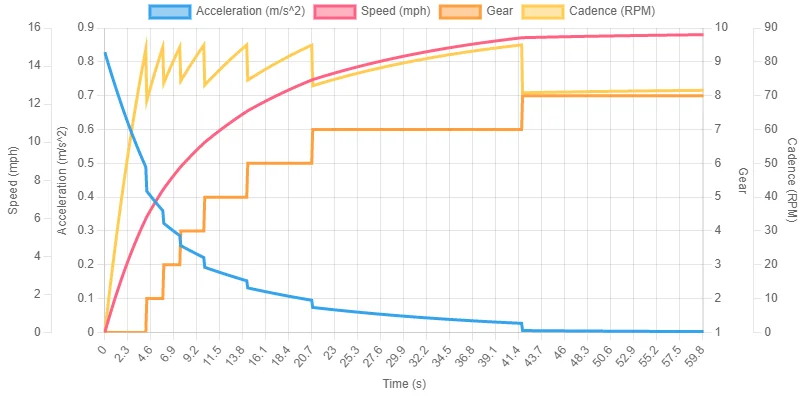
While cycling, I sometimes ask myself: what gear should I be in when accelerating, and what gear should I stay in while cycling at a certain speed? I wanted to use some math and simulation to explore this question. I was heavily inspired by Steve Gribble’s wattage to speed graph, but wanted to also look at how gear shifts affect the speed and power of the bike.
Below is a simulation of a person’s speed, acceleration, gear, and cadence as they accelerate from a standstill. There’s also a power graph which shows how this person’s power is used. Read on to learn how I built it, or just play with the values and see what happens.
Illustrating Poetry with AI
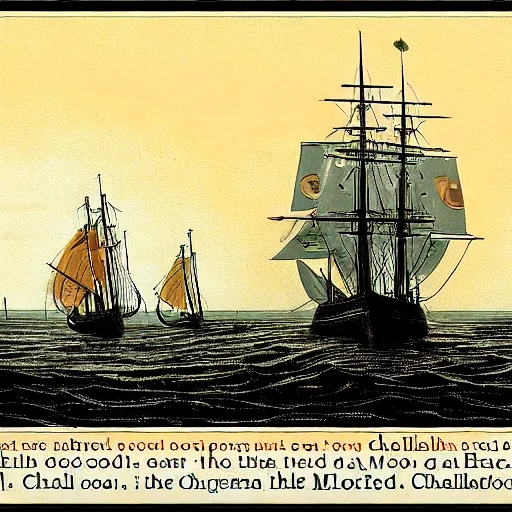
In April, OpenAI made the news again, for a new text-to-illustration tool called Dall-E 2. Dall-E 2 is a deep learning model based on a transformer architecture. Transformers have been behind a lot of the most recent AI innovations, like GPT-3, a natural language processing model, which was used to generate the famously poetic ChatGPT. GPT-3 was also used to create OpenAI Codex, the software which powers the shockingly useful GitHub Copilot. If you’re into coding and you haven’t tried the free trial, you’re missing out.
A Target So Fine, We Hit It Six Times
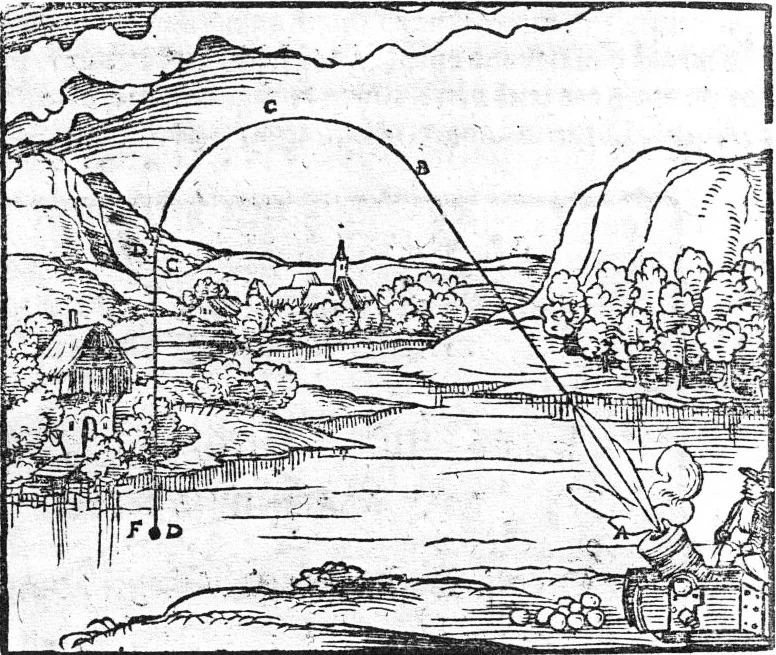
Imagine a cannon, firing a shell into the air. What path will the shell follow? How far will it travel? How long will it remain airborne? Below is woodcut by Walther Hermann Ryff, a 16th century mathematician, examining this question. At the time, most theorists thought that cannonballs traveled in straight-line segments and circular arcs, stitched together.
GRE Math Subject Test
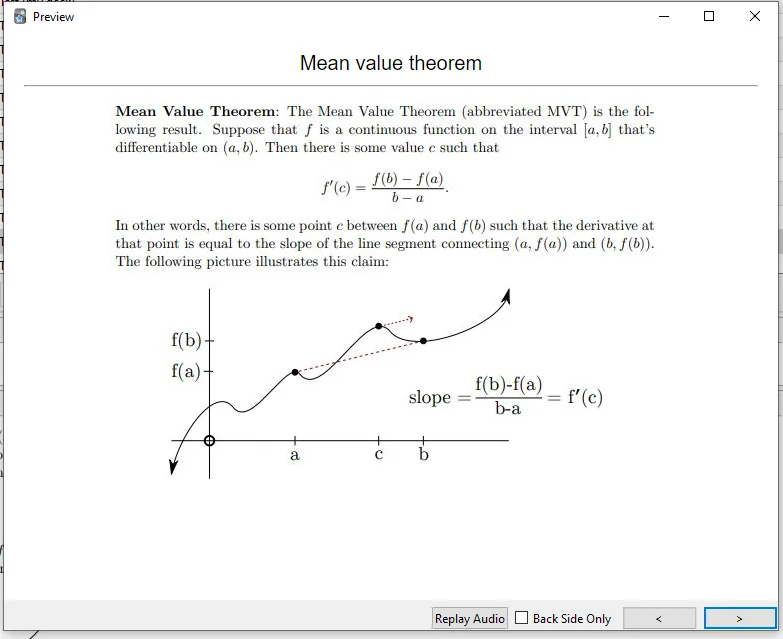
My blog has been pretty quiet recently, because I’ve been focusing on studying for the GRE Mathematics Subject Test. I think this test is sort of unique among popular, standardized tests, because the problems on it are very difficult. There are 66 questions on each test, and it must be done in 2 hours and 50 minutes. That means the test-taker has 2 minutes and 35 seconds to answer questions like these:
Watchbill Planning with Integer Programming
***Check out GitHub for my code!***
This month, I begin my third year serving aboard a PCU in the shipyard. This has offered me some unique challenges, among them, personnel management. When a Junior Officer like me shows up to the boat, they need to leave to get experience aboard an operational submarine, so they can be qualified to fully contribute when they get back here. I did this myself on USS John Warner in 2020. These rides are unpredictable: boat schedules constantly shift, along with the number of people they can support aboard. People have their own commitments, at work and in their personal lives. Work in the shipyard also demands some fraction of our officer population.